Premium headwear is built through small details.
The buyer may notice the overall look first, but the customer feels the difference through fabric, fit, sweatband comfort, brim shape, logo finish, and how the cap arrives after shipping. If those details are weak, the product will not feel premium even with an attractive design.
Brands reviewing JoinTop premium headwear manufacturer options should prepare a sourcing checklist before development starts. A clear checklist helps avoid vague samples, inconsistent quotes, and bulk production surprises.
Define What Premium Means for This Product
“Premium” can mean different things depending on the brand.
For a golf brand, it may mean a clean structured crown, comfortable sweatband, and refined logo placement. For a resort or lifestyle brand, it may mean fabric texture, color palette, trims, and packaging. For a corporate gift project, it may mean consistent sizing, reliable delivery, and a gift-worthy finish.
Before sampling, define the premium standard in practical terms:
- Target customer
- Retail or gift positioning
- Expected use case
- Fabric hand feel
- Crown shape
- Brim style
- Logo method
- Trim details
- Packaging level
- Acceptable price range
This gives the supplier something concrete to develop.
Fabric Is the Foundation
Premium headwear does not always require the most expensive fabric. It requires the right fabric for the product.
Cotton twill can work for classic casual caps. Polyester or nylon can work for performance and outdoor caps. Stretch fabrics can improve comfort. Mesh and perforated materials can improve airflow. Specialty finishes can support water resistance or a smoother technical look.
The key is to check how the fabric behaves in the finished cap. Does it hold shape? Does it wrinkle? Does it work with the chosen logo method? Does it feel comfortable against the skin? Does it match the brand’s price level?
Fabric should be reviewed after sewing, not only as a swatch.
Fit and Shape Need Early Approval
Cap fit is difficult to fix late in the project.
Crown depth, panel pattern, brim curve, closure type, and sweatband thickness all affect comfort. A premium cap should feel intentional, not accidental.
Buyers should approve fit using real samples and multiple wear testers when possible. Check front view, side view, comfort, brim angle, and whether the crown keeps its shape.
For lifestyle and golf products, shape consistency is especially important because customers often compare caps visually before buying.
Decoration Creates the Brand Signal
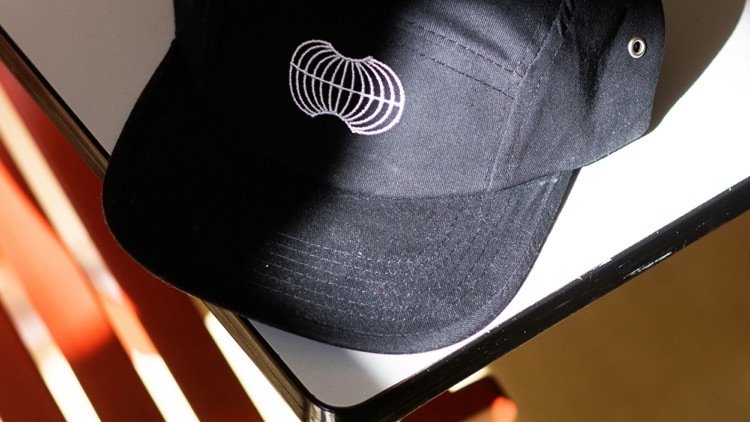
Logo execution can make a cap feel premium or cheap.
Embroidery, woven patches, silicone patches, TPU patches, leather patches, rubber patches, and heat transfer all create different impressions. The right choice depends on the fabric, brand identity, and use case.
A small premium logo may need a different method from a large promotional logo. A technical performance cap may suit heat transfer or silicone details, while a classic golf cap may suit embroidery or woven patch work.
Always test decoration on the actual cap material before bulk production.
Do Not Ignore Trims and Packaging
Premium headwear includes more than the cap body.
Labels, seam tape, closure hardware, hangtags, stickers, polybags, cartons, and shipping protection all affect the final presentation. Poor packing can flatten crowns, distort brims, or make a retail-ready product feel unfinished.
If the product will be sold directly to consumers, discuss packaging early. If it is for gifting, presentation may matter almost as much as the cap itself.
Sampling Should Be Structured
A good sample process has clear checkpoints.
First, confirm the overall structure and fabric. Then review decoration, trim, color, fit, and packaging. If multiple details are changed at the same time, track the revision carefully so the approved version is clear.
For each sample, record:
- Version number
- Date received
- Approved details
- Required changes
- Photos
- Measurement notes
- Logo placement notes
This helps both buyer and supplier avoid confusion later.
Bulk Production QC
Premium products need tighter inspection than basic promotional items.
Inspection should include fabric defects, panel symmetry, stitch quality, brim curve, sweatband placement, closure function, logo placement, color matching, label accuracy, packing shape, and comparison with the approved sample.
If the order will be repeated, keep a sealed production sample for future comparison.
Conclusion
Premium headwear is not created by one expensive material or one attractive logo. It comes from aligning fabric, fit, construction, decoration, trims, packaging, and production consistency.
Before working with a manufacturer, define what premium means for your customer and turn that definition into a clear brief. The more specific the standard, the easier it is to develop caps that feel right in hand, look right on shelf, and remain consistent in bulk production.